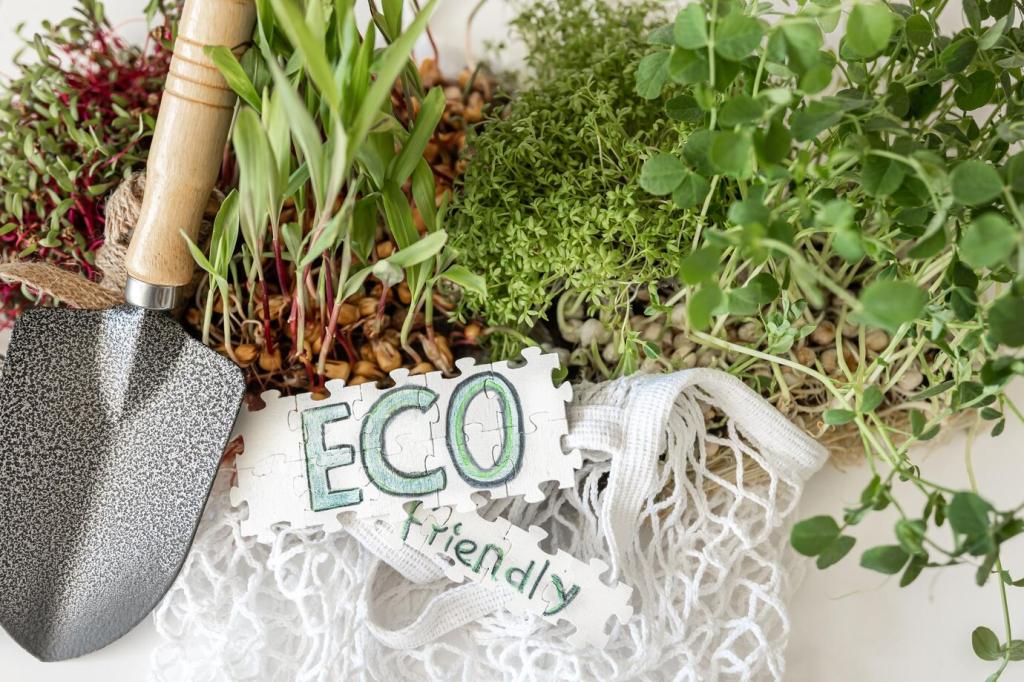
Chosen theme: Sustainable Color Schemes for Homes. Step into a world where color lifts your spirit and lowers your footprint. From mindful pigments to nature-inspired palettes, we’ll help you design rooms that breathe easy and age gracefully. Subscribe for fresh ideas, share your questions, and join a community coloring homes with intention.
Mineral-rich limewash and clay plasters diffuse light, regulate humidity, and accept natural pigments gracefully. Their mellow movement hides scuffs and encourages walls to breathe. In older homes, these finishes often reduce mustiness and stabilize moisture without synthetic films.
Earth-friendly Materials That Carry Color
Reclaimed oak, pine, or douglas fir takes color beautifully with linseed, tung, or casein-based stains. Try tea-and-iron vinegar for gentle gray, or walnut husk for warm brown. Each board tells a story, easing demand for new timber and finishes.
Nature-Inspired Palettes That Work in Real Homes
A gentle trio of dune beige, seagrass green, and misty white pairs with seagrass rugs and unbleached linens. One reader swapped stark white for dune tones and noticed calmer mornings, softened echoes, and less glare for sleepy eyes.
Nature-Inspired Palettes That Work in Real Homes
Clay, terracotta, and sand echo desert light while matte finishes prevent glare. Exterior light roofs reduce heat gain; indoors, pale walls reflect daylight. The result is a soothing cocoon that stays comfortable with fewer mechanical interventions year-round.
Room-by-Room Sustainable Color Strategies
Kitchen: Herb Greens with Cleanable Finishes
Try sage backsplash tiles with low-VOC, scrubbable eggshell walls and plant-based enamel on cabinets. Greens hint at freshness, while durable, repairable finishes reduce replacement. A windowsill herb garden ties color to flavor, making sustainability deliciously visible.
Bedroom: Quiet Neutrals for Rest
Sand, oat, and muted mauve calm the nervous system, especially in matte textures that reduce glare. Choose linen drapery dyed with low-impact processes. Let color support earlier wind-downs and gentler mornings without screens stealing your attention.
Kids’ Room: Playful, Safe, and Future-proof
Zero-VOC chalkboard paint on a panel invites creativity without fumes. Use modular color blocks that evolve with interests rather than full repaints. Involve kids in swatch testing; ownership reduces wasteful do-overs and sparks meaningful design conversations.
Budget, DIY, and Circular Color Choices
Milk Paint Magic on Thrifted Finds
Casein-based milk paint, mixed fresh, bonds to raw or scuffed wood with minimal prep, creating velvety, timeworn color. I revived a flea-market dresser in river-stone gray; now it anchors our entry with charm instead of landfill guilt.
Swatches, Sample Pots, and Honest Data
Roll samples on primed boards and move them room to room. Watch at sunrise, noon, and dusk. Ask for VOC numbers on tinted paint and independent emissions testing; transparency saves lungs, money, and needless returns.
Swap, Recycle, and Donate Leftovers
Share unopened cans through community groups, or bring partials to hazardous-waste facilities that remix them. Many reuse centers sell consolidated eco-paint affordably. Tell us your city, and we’ll help locate responsible drop-off or swap options nearby.