
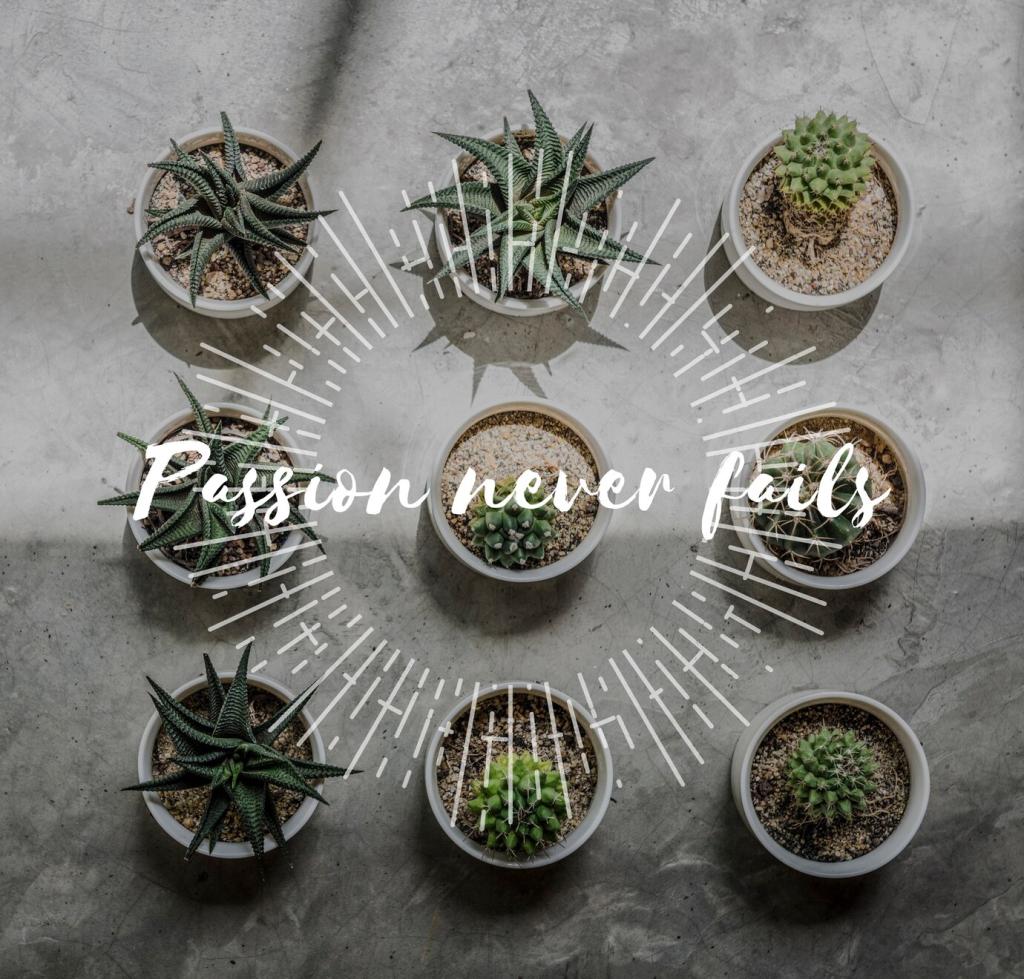

Today’s chosen theme is “Harmonizing Eco Colors with Sustainable Decor.” Step into a calm, nature-led palette where earthy greens, warm clays, and gentle neutrals meet planet-friendly materials. Subscribe for ongoing color stories, and share your favorite eco palettes to inspire our community.

The Psychology of Earth-Toned Harmony

Soft olive, sage, and muted forest tones echo the landscapes our bodies instinctively trust. These colors calm the nervous system, reduce visual noise, and invite slower breathing. Try a single feature wall, then message us about the shift you feel throughout your week.

The Psychology of Earth-Toned Harmony

Mid-value greens often strike a rare balance: energizing enough for office corners, soothing enough for reading nooks. Pair leafy hues with matte textures to avoid glare and overstimulation. Share your desk setup and we’ll spotlight our favorite eco-color workspaces next month.
Weathered oak or pine carries a lived-in warmth that sings beside moss and fern tones. Finish with plant-based oils for a breathable, velvety sheen. Post your before-and-after pictures and tell us how reclaimed pieces changed the mood of your living room.

Sustainable Materials That Echo the Palette

GOTS-certified cotton, linen, and hemp absorb plant dyes beautifully, offering layered hues that shift with light. Bundle-dye pillowcases with marigold, onion skins, or indigo. Tag us in your dye experiments; we love featuring reader-led sustainable color journeys.

Sustainable Materials That Echo the Palette

Small Spaces, Big Eco-Color Impact

Pick one base hue—say, gentle eucalyptus—and layer lighter and deeper notes across textiles and ceramics. This creates visual continuity without monotony. Show us your palette swatches and we’ll help refine the light-to-dark balance for your specific daylight conditions.

Small Spaces, Big Eco-Color Impact

Eggshell finishes bounce sunlight while keeping glare low, ideal for small rooms needing lift. Place mirrors opposite windows to extend green views indoors. Comment with your room’s orientation, and we’ll advise color values that suit your morning or afternoon light.
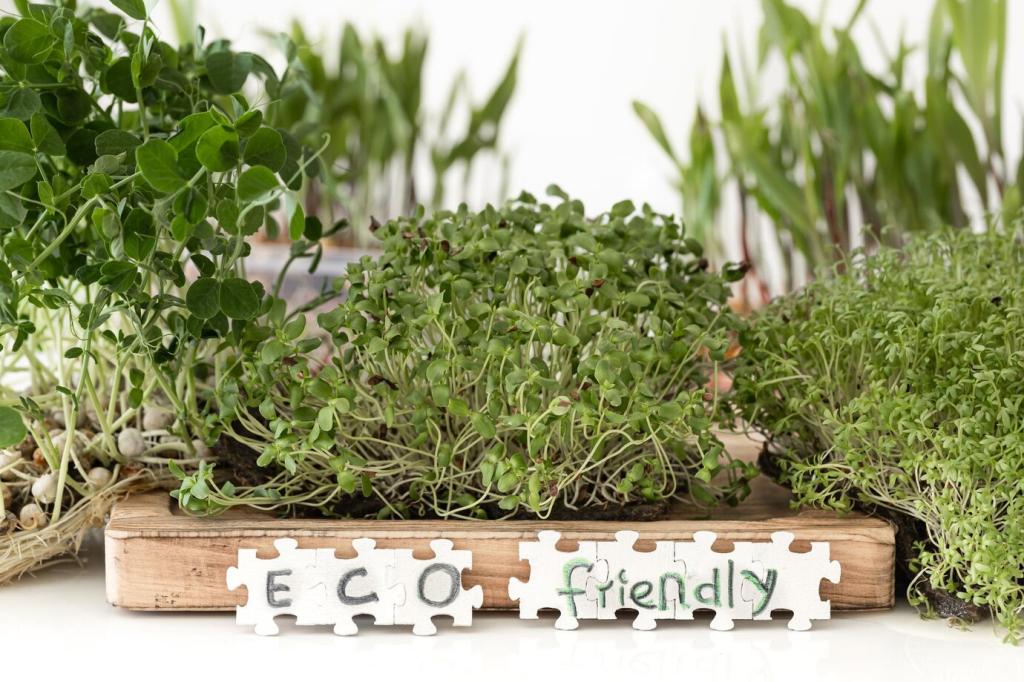
DIY: Natural Dyes and Finishes at Home

Avocado pits for blush, rose, and clay tones

Simmer cleaned pits to coax gentle blush tones onto cotton or silk, then shift depth with longer steeps. The resulting pinks pair beautifully with terracotta ceramics. Drop your best water-to-material ratios below so fellow readers can replicate your exact rosy shade.

Walnut hull stain for earthy depth

Walnut hulls produce a rich brown stain perfect for picture frames, stools, or shelving. Strain carefully and protect surfaces while drying. Tell us which woods took the stain most evenly, and we’ll compile a reader-tested guide to reliable undertones.

Limewash for cloud-like, mineral walls

Traditional limewash creates breathable walls with soft, tonal movement—ideal for muted green or sand palettes. Apply in thin, crisscross strokes to build character. Share photos of your practice panels, and subscribe for our troubleshooting checklist before you tackle an entire room.
Maya observed light patterns for a week, noting where morning sun warmed the floor. She chose soft olive walls to amplify that glow and clay-toned curtains to invite warmth at dusk. Comment if you’ve tried a “listening week” before making big color decisions.
She sourced a reclaimed pine desk and refreshed it with walnut hull stain, then added a thrifted linen slipcover dyed with marigold. Everything aligned visually and ethically. Share your best thrift finds and we’ll feature a community roundup of low-waste upgrades.
With calmer colors and natural textures, Maya noticed she brewed tea more often and read by the window instead of scrolling. Her guests stayed longer, chatting softly. Subscribe if you’d like a printable checklist modeled on her step-by-step studio transformation.

Seasonal Shifts Without Waste

Spring to summer: airy greens and light linens

Swap in gauzy, undyed curtains and mint-toned cushions for breezy lift. Display fresh herbs to echo your greens naturally. Comment with your humidity levels, and we’ll recommend breathable textiles that keep your palette serene when temperatures climb.

Autumn to winter: clay warmth and tactile layers

Introduce terracotta throws, cork trays, and beeswax candles for cozy glow. Deepen wall accents slightly to cradle longer nights. Share your evening rituals, and subscribe for our lighting guide that pairs warm color temperatures with earthy materials.

Thoughtful storage for rotating accents

Label bins by season and palette family—greens, clays, neutrals—so swaps feel intentional, not impulsive. Repair before replacing, and donate duplicates. Tell us your storage tricks, and we’ll compile a zero-waste checklist for sustainable color rotation.
Nortcollab
Privacy Overview

This website uses cookies so that we can provide you with the best user experience possible. Cookie information is stored in your browser and performs functions such as recognising you when you return to our website and helping our team to understand which sections of the website you find most interesting and useful.